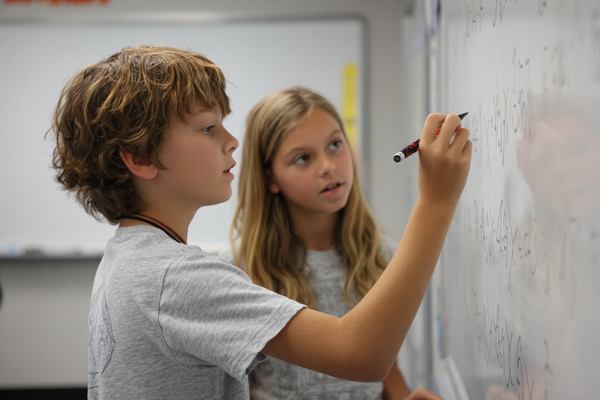
Blog Featured Student Data Teams: Kids Analyzing Their Own Learning Like Scientists Student Data Teams help students analyze learning evidence, spot patterns, set goals, and build agency through reflective classroom data routines.
Blog Walking Seminars and Mobile Math: Learning That Happens on the Move Explore Walking Seminars and Mobile Math to boost engagement, discussion, and rigor by turning movement into a powerful part of classroom learning.
Blog Board Game Labs for SEL & Critical Thinking Boost SEL and critical thinking with Board Game Labs—structured classroom routines using games, reflection, and research-backed strategies to build empathy, cooperation, and executive skills.
Blog Quest-Based Learning Paths: Turning Units into Story-Driven “Campaigns” Turn units into story-driven campaigns with Quest-Based Learning Paths. Learn how roles, side quests, badges, and choice can boost engagement and mastery.
Blog Classroom Podcast Studios: Publishing Student Voice to a Real Audience Discover how Classroom Podcast Studios turn student ideas into publishable learning through speaking, writing, collaboration, and real audience engagement.
Blog Feedback-Only Weeks: Ditching Grades Temporarily to Supercharge Growth Feedback-Only Weeks reduce grade stress and boost revision, reflection, and growth by making feedback the focus instead of points.
Blog Assessment Escape Rooms: Turning Test Review into Mission-Based Challenges Assessment Escape Rooms transform test review into standards-aligned, mission-based challenges that boost engagement, collaboration, and real-time data.
Blog Micro-Apprenticeship Days: One-Day Internships Without Leaving Campus Micro-Apprenticeship Days bring hands-on career labs to campus, letting students explore trades, tech, healthcare, and more through short, real-world experiences.
Blog Student Tech Help Desk: Turning Digital Natives into Campus Problem-Solvers Launch a Student Tech Help Desk with this step-by-step blueprint—build student leadership, reduce tech disruptions, and streamline school support systems.
Blog Early Intervention Attendance Blitz: Strategies to Re-Engage Chronically Absent Students Attendance Blitz model helps schools reduce chronic absenteeism through proactive outreach, student-led campaigns, and real-time data to re-engage families.
Blog Family-School Co-Creation Workshops: Amplifying Parent Voices for Student Success Guide to family–school co-creation workshops that empower parent voices, strengthen partnerships, and design culturally responsive routines and learning.
Blog Hands-On STEM Labs: Engaging Every Learner with Low-Cost, Inquiry-Based Kits Affordable inquiry-based STEM kits turn any classroom into a rotating lab with recycled materials, simple circuits, and beginner robotics—boosting engagement, equity, and NGSS-aligned learning.
Blog Teacher Wellness Playbook: Combating Burnout with Micro-Breaks and Professional Learning Communities Teacher Wellness Playbook with micro-breaks, Wellness Buddies, PLC stress sessions, and a digital tracker to reduce burnout and boost resilience.
Blog Literacy Stations: A Dynamic Approach to Differentiated Reading Instruction Differentiate reading instruction with literacy stations—structured, skills-based rotations for phonics, fluency, comprehension, vocabulary, and writing that boost engagement while teachers deliver targeted small-group guided reading.
Blog Restorative Practices 101: Reducing Discipline Referrals Through Community Circles Tiered restorative justice for schools: community circles, restorative chats, and reflection sheets that reduce referrals and rebuild trust.
Blog Culturally Responsive Math Talks: Bridging Achievement Gaps Through Story Problems Use culturally responsive Math Talks to embed familiar contexts in story problems, boost discourse, support language development, and close math gaps.
Blog Data-Driven Small Groups: Streamlining Interventions in Math and Reading Data-driven small groups guide showing how weekly data huddles, formative assessments, and 15-minute interventions close learning gaps fast.
Blog Hybrid Classroom Hacks: Ensuring Equity in Tech-Enhanced Learning Close the digital divide in hybrid learning with low-cost tech access strategies, device rotations, offline resources, and blended lesson templates that promote equity.
Blog Whole-Child SEL Frameworks: Embedding Mindfulness and Peer Mentoring Daily mindfulness, emotion-check circles, and peer buddy mentoring build resilience, reduce behavior issues, and boost focus for a calmer, connected classroom.
Blog Closing the Early Literacy Gap: Tiered Reading Stations and Family Engagement Early literacy gaps widen without support. Tiered reading stations and Family Reading Packs build decoding, fluency, and confidence for all learners.
Blog Bridging the Gap: Strategies That Close the Vocabulary Divide in Math Instruction Students thrive when math vocabulary becomes clear and accessible. This post unpacks how academic language barriers affect learning and offers strategies to build precise math talk, stronger comprehension, and confident problem-solving.
Blog Mathematics in the Real World: Student-Driven Projects That Build Number Sense Real-world, student-driven math projects build number-sense by applying decimals, fractions, budgeting, measurement, and data to authentic tasks—boosting engagement, problem-solving, and relevance beyond worksheets.
Blog Visual Thinking Routines in Math: Making Student Thinking Visible Visual Thinking Routines make math reasoning visible, boost communication, and deepen understanding by using sketches, diagrams, and structured discussion to reveal student thinking and guide responsive instruction.
Blog The Math Lab Model: Flexible Math Workshops That Reach Every Learner Transform math class with the Math Lab Model: station rotations, small-group conferencing, and adaptive tech for true differentiation.
Blog Mathematical Storytelling: Using Narrative to Teach Abstract Concepts Imagine a classroom where students eagerly follow a character’s journey rather than stare blankly at equations. In one scenario, learners struggle through isolated computations; in another, they become invested in a protagonist’s quest that requires solving those very equations. Mathematical storytelling transforms abstract concepts into vivid narratives that